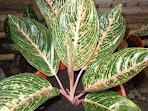
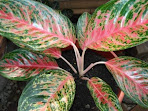
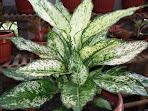
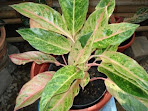
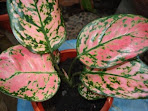
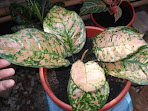
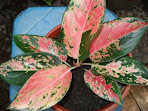
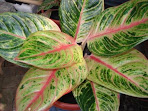
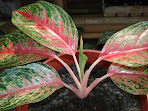
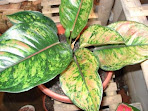
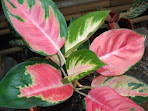
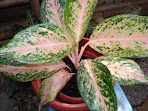
Apa itu PVT? bagi masyarakat awam istilah ini sangat asing ditelinga, bahkan masyarakat petani yg secara kasat mata akan bersentuhan langsung dengan kepentingan varietas unggul suatu tanaman, bisa jadi baru mendengar istilah ini, Bagi komunitas kita yg notabene sebagai insan pecinta tanaman unik, eksklusif dan cenderung mengarah ke prestise, perlu juga memahami paling tidak seberapa perlunya PVT bagi masyarakat kita: Saya kutip ucapan Hindarwati kepala Pusat Perlindungan Varietas Tanaman (PVT), PVT perlu “Agar bangsa Indonesia mampu membendung serbuan benih dari negara lain,” (bagi komunitas kita barangkali aglo-aglo dari Thailand).
Indonesia merupakan calon anggota Internasional Union for Protection New Varieties of Plants (UPOV), UPOV merupakan organisasi internasional untuk melindungi varietas tanaman baru. yg anggotanya sebanyak 66 negara, bayangkan Indonesia baru calon anggota, yg kita tahu kita adalah salah satu negara agraris terbesar di dunia, belum menjadi anggota UPOV (karena baru sedang menjalani proses menuju anggota). Gila bener ini.
Pantesan aglo-aglonya Greg lebih berkibar di negara lain ketimbang dinegeri sendiri, sedih rasanya tiap menjelang tahun baru Thailand mengirim ribuan pohon Pride of Sumatera ke Eropa untuk dijadikant buket, ironis dan ajaib sekaligus menyedihkan. Sementara pemiliknya tak berdaya alias tidak bisa berbuat apa-apa. Sengaja tulisan ini saya angkat ke komunitas milis kita, agar kita tahu sebenarnya kita bisa dengan ketat melindungi aglo-aglo local yang dihasilkan para pemulia tanaman hias, bukan cuma aglo tapi semua jenis tanaman.
Hari Jumat (7/11) telah diadakan seminar “Internasional Kerja sama Ekonomi Asia-Pasifik terkait Perlindungan Varietas Tanaman” di Jakarta.
Mulyono/085
(Penulis Member MASRI)
Photo: Koleksi Aglaonemaku
Selasa, November 11, 2008
Sekilas Tentang PVT
Selasa, November 04, 2008
Chinese Evergreen - Versatile Widely Used Houseplant

Question: Can I plant my Chinese evergreen outside in a planter bed where it's shady. I know it's sold as an indoor hosueplant but I've seen some used outside at a mall in Florida when we were there. Lil, Minnesota
Answer: The "Chinese Evergreen" or Aglaonema are cold sensitive and should be grown in protected areas if used in any outdoor landscape (which is very rarely). The primary production of Aglaonema's as a group is for use indoors as houseplants where they can enjoy the same temperatures you do year-round.
Thousands of Aglaonema's are grown today for indoor use. They are available in most garden centers, grocery stores and nurseries that carry indoor houseplants. Although some varieties of Aglaonemas may only be found in some of the high-end garden centers and nurseries or by placing a special order with your favorite greenhouse. Some of the newer varieties or extreme slow growers like "Aglaonema costatum" are available in limited numbers and are generally purchased in smaller quantities by interior plantscapers.
Chinese Evergreen - Versatile Recognizable and Widely Used
The Chinese evergreen has become one of the most versatile, recognizable and widely used group of plants for indoor use. "Silver Queen" and "Emerald Beauty" have been one of the cornerstone plants for indoor use by the professional interior plantscaper for decades. With the many new varieties becoming available you can only expect the indoor gems to find more use in the indoor landscape.
I know you're wondering... Is it possible that you can have the same plant, indoors, for years? It's possible... by having the right information and applying it... you can enjoy your chinese evergeen for decades. Some of our Plant Care subscribers have been growing the same plant indoors for over 20 years.
source : www.plant-care.com